
Office Address
P.O. Box 15808, Mbezi, Dar es Salaam, Tanzania
Phone Number
+255 714 629 700
Email Address
wahigrouptz@gmail.com
P.O. Box 15808, Mbezi, Dar es Salaam, Tanzania
+255 714 629 700
wahigrouptz@gmail.com





 by WAHI GROUP
Dar es Salaam is one of the fastest-growing cities on the continent. Every year it adds a substantial population that needs somewhere to live, somewhere to work, and somewhere for its goods to be stored and sold. That is the whole real estate thesis in one sentence — and it is also why parts of the market are already crowded.
High-end apartments in the established coastal and diplomatic areas, and prestige office space in the central business district, have attracted a lot of capital. Rents in these segments are more competitive than they were, and absorption is slower. They are not bad assets — but they are no longer the easy part of the market.
Buy the access and the management capability. The land is the easy part.
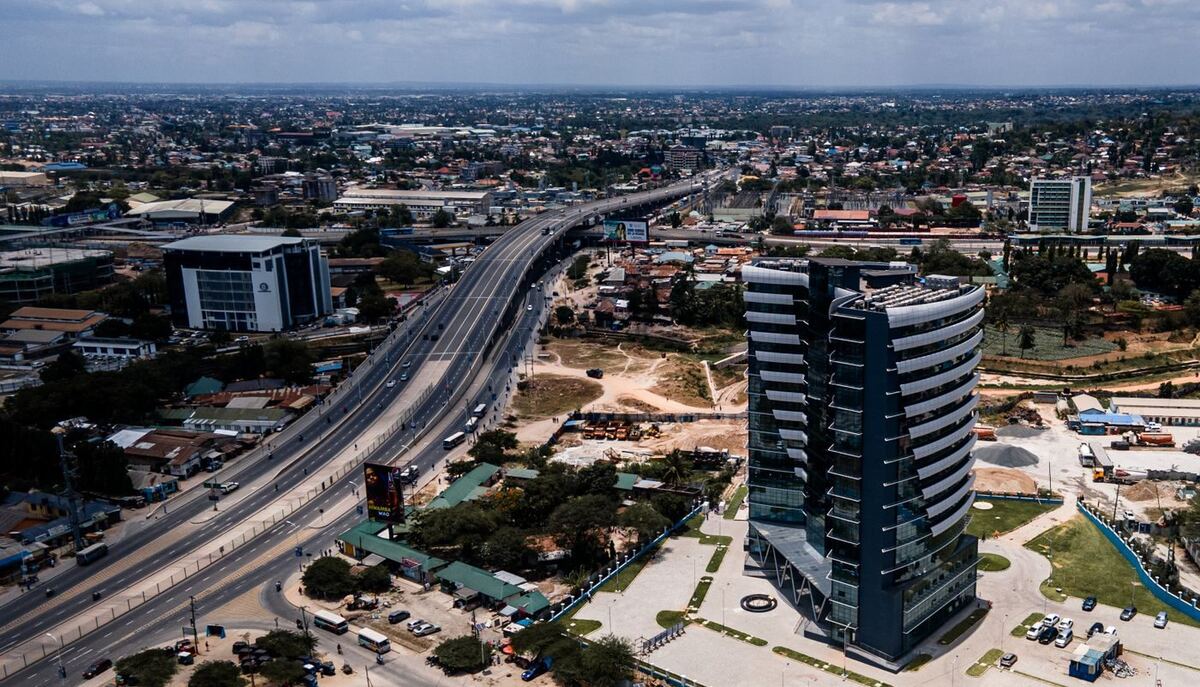
Infrastructure changes value. New roads, bridges and rail links redraw which areas are viable, and they do it years before prices fully reflect it. Reading planned infrastructure correctly — rather than reacting to it — is where a large part of the return in this market has historically been made.
WAHI Properties develops, acquires and manages property assets in Tanzania, with a focus on the under-supplied segments above. We work with developers, institutional investors and diaspora investors, and we manage what we build.
If you are evaluating property here, we are happy to share our view of specific locations — including where we would not invest.